-
You really shouldn’t take writing advice from me.
But here it is anyway.
-
Let us get it clear.
Reading a thousand words that doesn’t convey anything is a waste of the reader’s time. Writing it is a waste of yours. Get better.
-
How to interview a film star.
Some not-so-obvious tips to having meaningful conversation and not a gushing session
-
A simple potion that cures my writer’s block.
One way to unblock whatever’s stopping the flow between you and your ideas.
-
One remarkable thing about everything.
That’s all it takes it takes to make a piece of writing you’re proud of.
-

You know you don’t have to reply to every email immediately, right?
May be if you realised that you don’t owe anyone an immediate answer, you’ll stop working out of your inbox?
-
How Twitter banter helped find my voice.
Apparently, Twitter me is more the real me.
-

I’m embarrassed about my past work.
If you feel embarrassed about the work you’ve done in the past, maybe that’s a good thing?
-
Use Writing to Explore Your Confusion/Trauma.
Writing is not just about expression. Use it to come to terms with yourself.
-

A Lesson from Fiction: Character, Conflict, Stakes.
Ranjani calls it “flair.” I call it “persuasion.” Either way, anything you write needs to keep the reader reading to the end.
-
30 Days To Writing Better.
Honing your writing is essential if you are a full-time novelist. It’s also important if you’re not.
-

Dealing with competition.
While I’m regularly insecure looking at others in my line of work, I actively put community over competition.
-

Keep some boredom buffer.
Allow yourself to be bored. Leave your brain awake and unaffected.
-

Do More, Not Less.
Underpromise. Overdeliver. Thoughtfully.
-

Prepare The Night Before.
Set yourself up for productivity. Plan your day the night before.
-

Keep a lessons file.
Stop repeating your mistakes. Keeps a lessons file.
-

I’m So Bad At This.
Over the years speaking to young professionals, this is one sentence I hear so often. Why are you so unkind to yourself?
-

Build Yourself A Writing Process.
If you’re a professional writer, you’ll need to wake up 5 days a week and write on the clock. Having a process like this can be immensely helpful.
-

If You’re A Freelancer, Find A Coach.
As a freelancer, you might have a lot of questions you can’t find answers for. A coach will help you clear the fog in your line of sight.
-
Separate Business And Personal Finances. Here’s How.
Else, you’ll end up with a mash of a system, without knowing if your business is doing well or if even making profits!
-
Keep paperwork in order for taxman will come knocking.
Plenty of times, you’ll hear from the tax department asking you to clarify some financial transaction from several years ago. You can’t remember it all, which is why you must document everything meticulously.
-
Research your interviewer.
Research your interviewer and know all the information about them. Have a real conversation –– your interviewer is a real person after all.
-
Don’t send your resume in Word format, unless specifically asked to.
You’ve put a lot of effort into designing your CV — you want it to look good on the receivers’ computers as well.
-

Are you working from your laptop memory?
Consider setting up a virtual workplace for yourself and your team, dear freelancer. Save yourself much productivity and a lot of heart burn.
-

How Do I Make My Resume Tell a Cohesive Story?
Tell a cohesive story with your CV
-

Keep your eyes open about the industry you’re in.
Knowing the industry is fundamental to doing great work, which often results in making more money. Here are some things I regularly do.
-
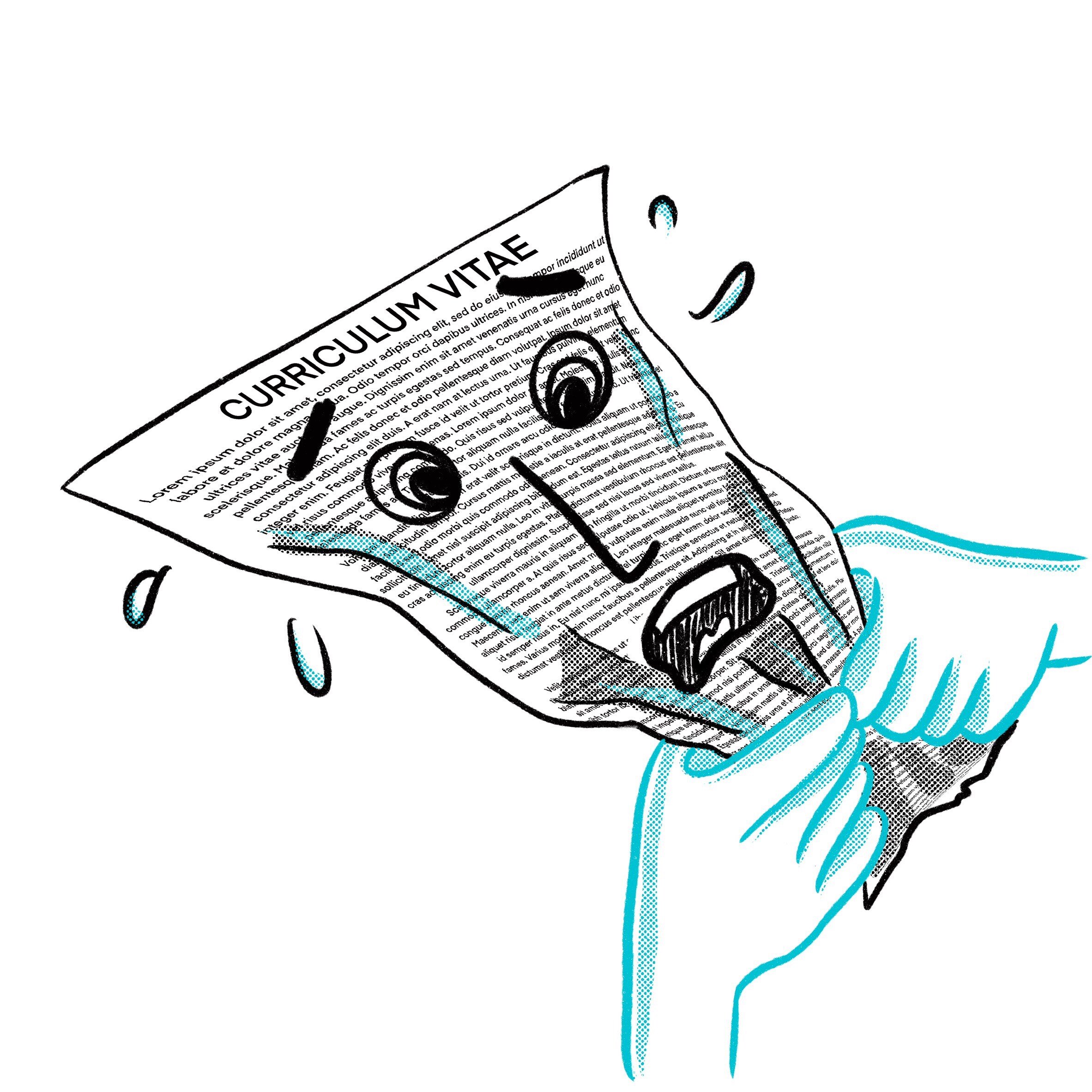
Do you have reasonable margins on your resume?
I’ve noticed that a lot of people struggle to shrink their entire career into 1-2 pages. So, they eat up the margins to survive. They fill up every last pixel and cram every last part of the page with text.
-

Too many bullets spoil the CV.
Organize your information in a visually appealing way. Use a combination of headings, paragraphs, and bullets.
-

Looking at murder differently.
I read (and watch) a lot of murder mysteries. And I’m always fascinated by the novelty authors bring into a genre that is so old and so overdone. The recent find is Keigo Higashino’s Newcomer. The author, known for his fiendish twists and the darkest darkness of humanity, takes a different route. He writes a murder mystery…
-

Don’t underestimate the value of an organised file management system.
Are you keeping your files safe, handy and shareable?
-

Are you making enough mistakes?
For instance, one of my biggest mistakes was hiring a team when I wasn’t ready to be a manager.
-

How to write well without taking too much time?
You are asking for alchemy, my friend.
-

Are you an executor or a problem solver?
Neither of these approaches is right or wrong, good or bad. However, I’ve realized that executors and problem-solvers work best with two different kinds of customers.
-

Track your referral pipeline.
For most freelancers, referrals are an important source of new business development. But most of them don’t invest time or energy into nurturing referral pipelines. Why ra why?
-
Do you have frameworks and are you documenting them?
As a freelancer, it’s crucial to have thorough documentation for your frameworks, because they define the way we do work.
-

Difference between understanding feedback and applying it.
We talk a lot about giving and taking feedback. There is enough literature about this in the world. In the last month I realised that there is something far more important than giving and taking feedback: Applying it.
-
How do I make time for personal projects?
How do you balance your time/effort between clients that pay vs personal projects?
-
Are you tracking time?
Whether you’re a freelancer or a salaried employee, those of us who don’t need to fill timesheets, do we track time? Here’s how it helped me.
-

Dear freelancer, do you know if you are profitable?
Most freelancers think — I’ve believed it myself in the past — that because their expenses are so few, any money they make is practically profit. scoff
-

Try Mr. Albert for GST filing.
While on the topic of invoicing, if you’re a GST registered freelancer, I strongly encourage you to check out my friend Alex’s GST management service Mr. Albert.
-

Do you have an invoicing tool?
If you send invoices, get a tool.
-

Be stylish. Consistently.
Do you have a home style? As in, do you have a consistent way in which all your deliverables look/feel?
-

Communication is not about ‘conveying’. It is about being understood.
You’ve not communicated when you say / post something. You’ve communicated only when the intended recipient has heard and understood you.
-
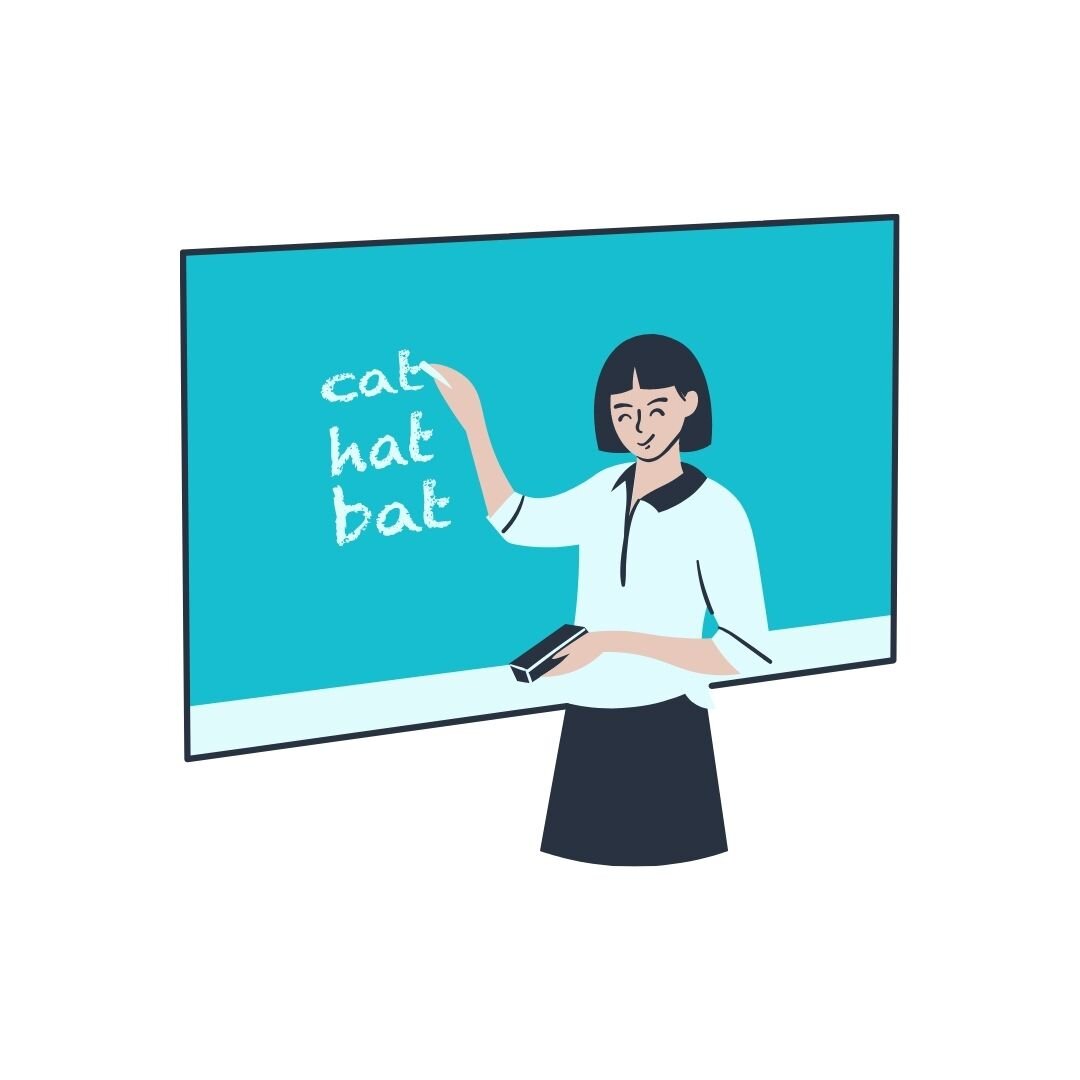
Don’t use a word more than once in a sentence.
This is a very basic writing tip. Don’t use the same word more than once in a sentence (or even a paragraph) — unless that is the point.
-

Choose the right samples for your job application.
If your potential employer asks for samples, here’s some advice on sending those that are most likely to get you invited for an interview.
-

Do you resolve reviewer comments?
Many writers resolve reviewer comments, which is inefficient. It assumes you’ve resolved it. But you can’t decide that; the reviewer should.
-

Are you taking enough notes?
Take good notes during conversations, it can save you a whole world of trouble. Here are some things I do while I’m on calls.
-
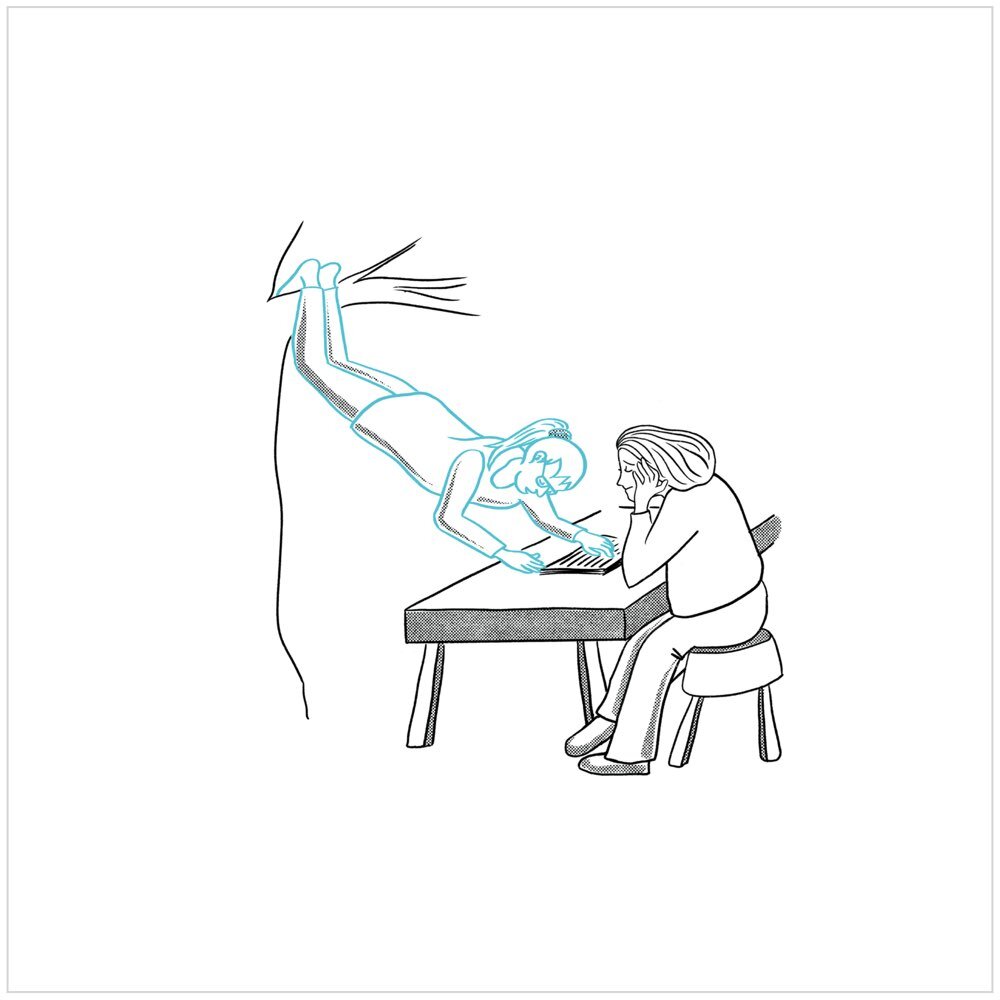
When you can’t gauge your own work, ask someone else to look at it.
Just show your work and ask for an opinion.
-

Work towards not having to adjust.
As you grow in your career, begin to invest in not adjusting, not adjusting with what you have. Invest in setting yourself up better.
-

I have 25 things to do and 125 more on my mind. How do I manage?
Practical advice on working through what looks like a never-ending to-do list: Identify the important ones, do three per day.
-
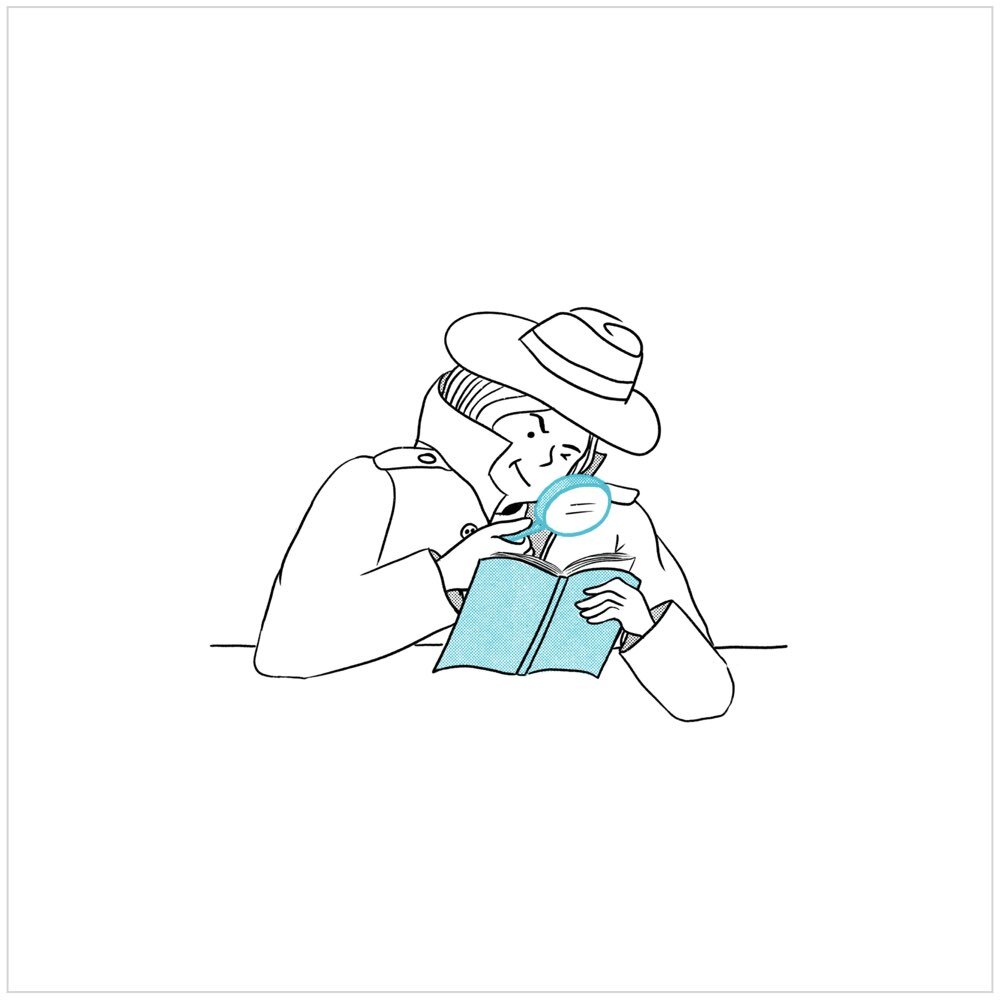
Critical reading for better writing.
Sample for critical reading from Oyinkan Braithwaite’s My Sister, The Serial Killer.
-

How to find a mentor?
Here are a few things to keep in mind while seeking mentorship.
-

Draw with your non-dominant hand.
I spent the last six weeks in a group coaching program for self-discovery. I learned (or recalled) a lot of things about myself.
-

Celebrate yourself (and I’m on leave)
As I turn 34, I’m taking the day off and celebrating. Would you celebrate with me? Share the one thing you’ve done since COVID struck that you’re proud of. Share the love.
-

My podcasts playlist: August 2020 edition.
Here’s the list of podcasts I regularly listen to. Almost all of them are business-related. Well, that’s the phase of life I’m in.
-

Bias for action.
Bias for action is about making things happen. It’s about moving forward, especially in ambiguity. It is about being decisive when you have no energy for the consequences.
-
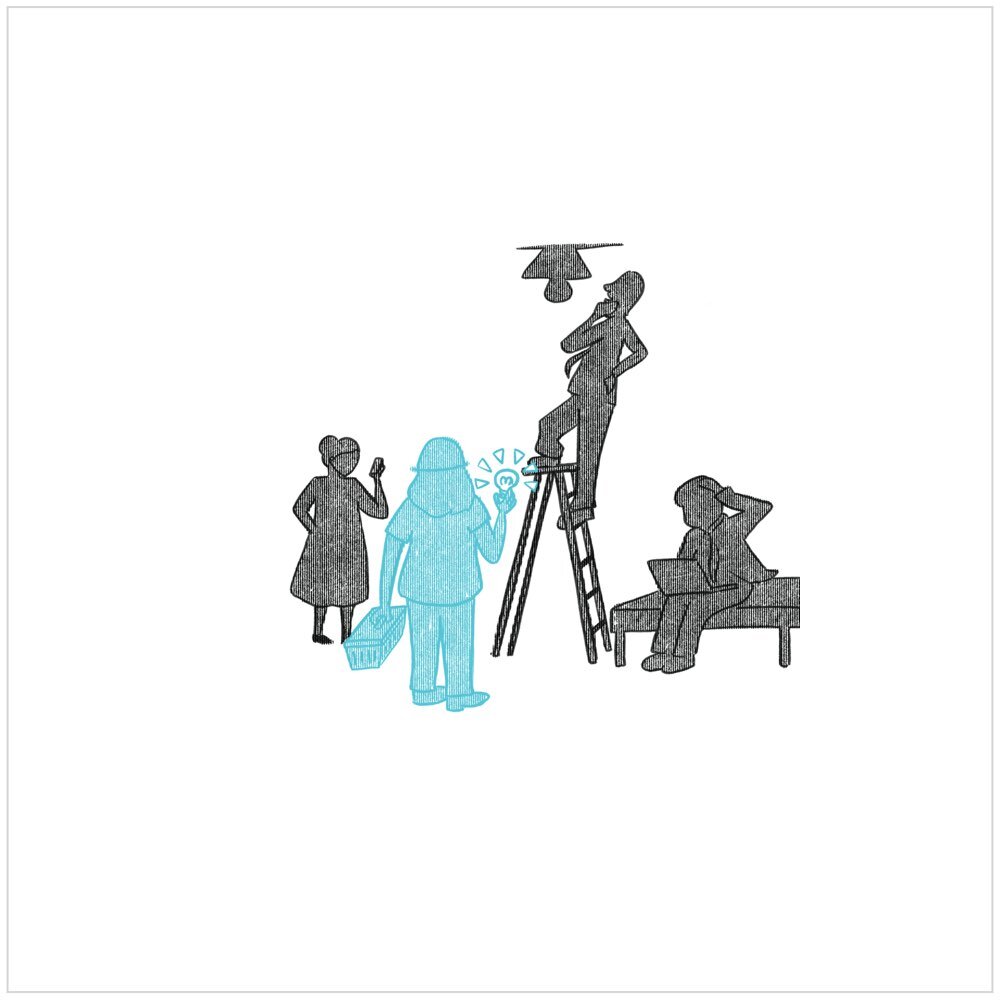
Managing different stakeholders’ different needs.
Having multiple stakeholders on a freelance project is like having multiple bosses at work — a recipe for disaster. But it is surprisingly common and often inevitable. Work in the modern world is about different people’s ideas, even when they’re stupid ones.
-

Do better, dear writer.
Thoughtless writing is the bane of the Internet era (or was it so always?) In this blog post, I give some pointers on how to be thoughtful and write better.
-
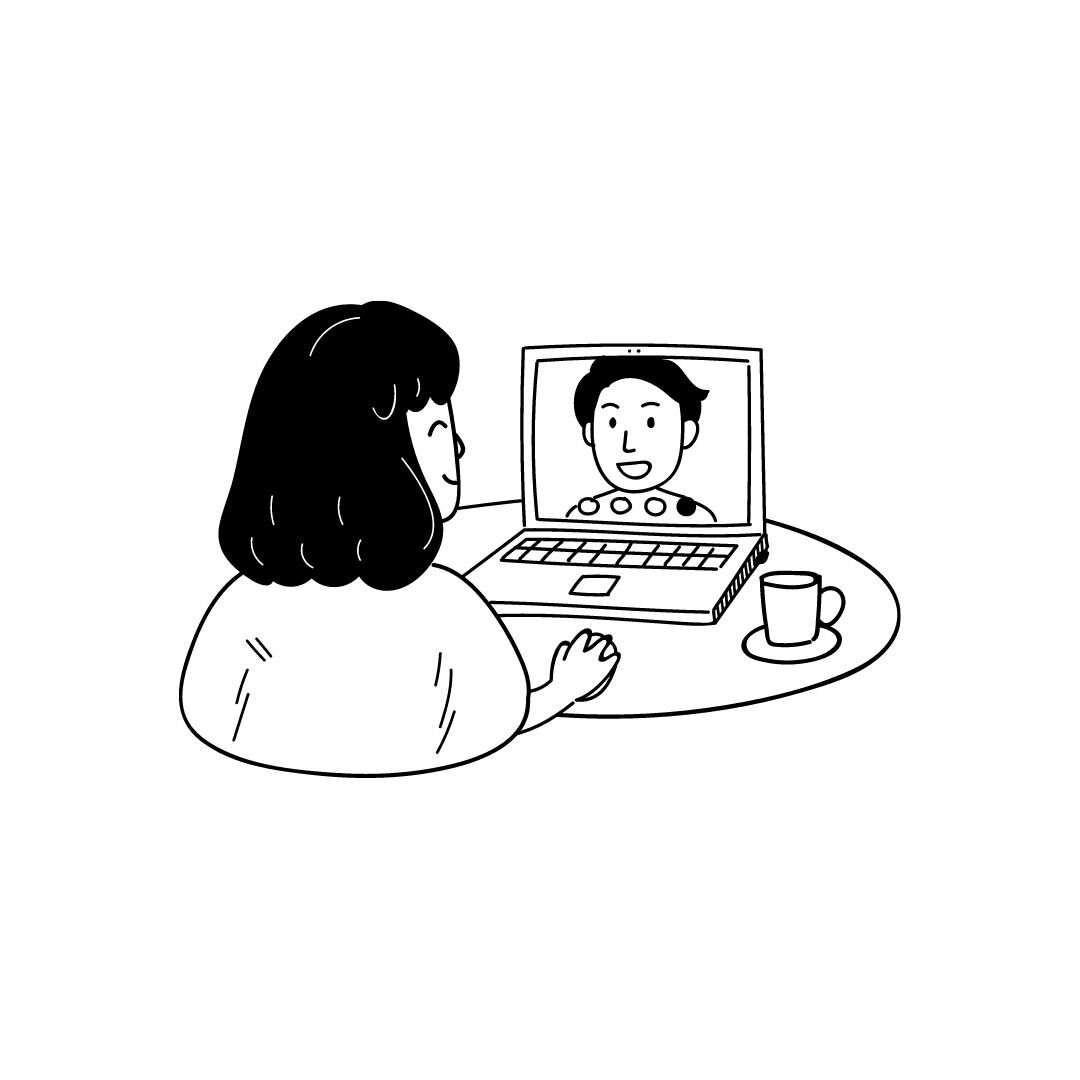
I prefer to stand during video calls (and a plug of some fab advice).
Working from home for 7-8 years now, if there is one thing I’ve realised, it’s that the way I plonk my body has a direct effect on how I feel, and therefore behave.
-

Only language (most) businesses understand is money.
While signing on new clients, ask for an advance. Their reaction will tell you how serious they are.