-
Identity crisis
A few weeks ago, I went to Bangalore for an important review meeting. At the client’s office, I was politely seated in a hot conference room with an air conditioner heaving to regulate temperature. Vamsee (my colleague) and I were sitting there restless and sweating, in wait for our clients team to join us. Four…
-
Try things you’re writing about
Get an idea of what it feels like to be the customer, before endeavouring to influence them.
-

Firing clients
Are you scared or uncomfortable firing clients? You shouldn’t be. If the relationship doesn’t work, terminate it. Here’s how.
-

Email signature for reminders
A sneaky way to remind clients of your availability every chance you get. 🙂
-

Placebo words
In writing, they’re unnecessary, imprecise and show the reader that you didn’t put in enough energy editing your work.
-
Repetition, not redundancy.
How do you write about the same few ideas over and over without feeling like a broken record?
-
Your words know what you’re feeling.
If you’re not confident in your writing, your words will betray you. Here’s how you can overcome that.
-
Don’t use words you don’t need.
We often use hyperbolic language for dramatic flair in speech. In writing, it can have the opposite effect.
-
Can I post strong opinions on social media?
Will your social media content come to haunt you during your job search? I say yes. And here are somethings to keep in mind.
-
Checking your source.
A lot of writers use stats, findings and quotes in their articles. How do you make sure they’re legit?
-

How to give feedback to a writer.
Giving and taking feedback on creative work can be difficult. Here’s a simple trick to make it more seamless.
-
Be prepared for ‘Tell me about yourself’.
Ever been in a meeting where you didn’t expect the dreaded ‘tell me about yourself’ question but were asked? Here’s how you can ace the awkwardness.
-
You need a quality control checklist.
Every writer needs a personal quality control checklist. Here’s how you can build yours.
-
Ask deep introspective questions at work.
The conversations will help you understand each other better
-

Saying no to money.
Misconceptions that freelancers need to clear about ‘deserving’ payments.
-
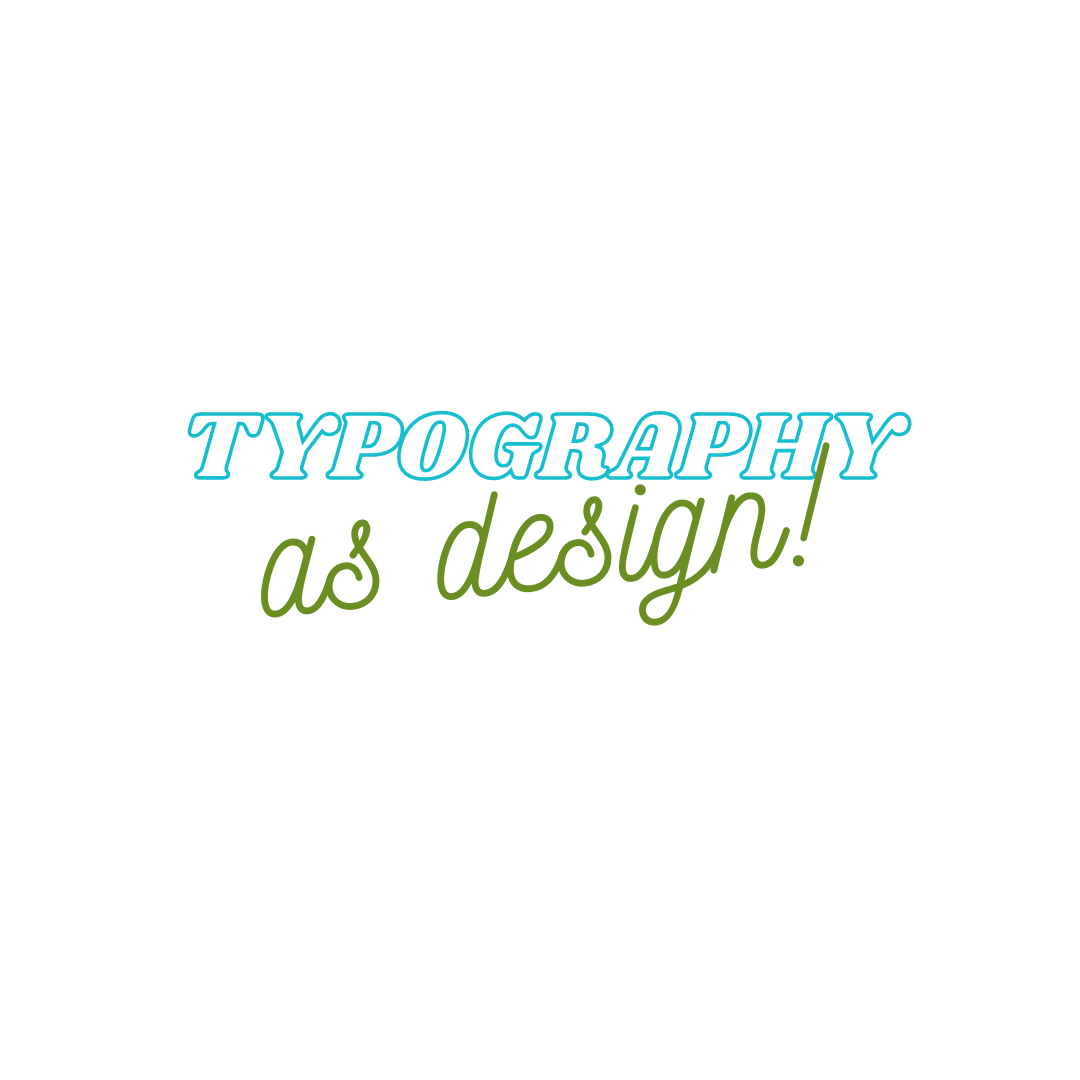
Make your documents look good.
It’s good when design and content go hand in hand
-

You don’t always need to begin at the beginning.
Not all stories start with ‘once upon a time’
-

Don’t fear repetition.
Sometimes, saying something again and again and again can be a good thing.
-
Think from the receiver’s point of view.
An extra minute of your time can makes their lives easier.
-
Update your CV every three months.
It’ll have you ready to send out your CV at a moment’s notice, any time.
-

How to get paid on time?
I almost feel guilty for the clickbait of a headline, because you’re not going to find a simple easy answer here. But I do have advice that I believe is good.
-
Make time to read your past work.
I often find this an excellent informal review exercise.
-

Where do you have your purpose written down?
When you start something, write down your purpose. Not in a word or a sentence, but as elaborately as possible. As a favour to your future self.
-

I don’t have a writing ritual. Do you?
Apparently, it’s common for desperate writers — like me — to hope that if they knew how their favourites did it, they’ll be able to replicate the magic too too.
-
Do you have a writing goal?
It seemed rather unsavoury. Unless.
-

Leave passive voice to the politicians.
So, the lesson is: If you must use passive voice, do so deliberately and sparingly.
-

What is your brand experience?
What does the client want to feel when they contact us? And what can we do to deliver that?
-
Accommodating urgent work.
Before deciding to accept or decline the ‘urgent’ work, here’s the checklist I follow.
-
Where do I belong?
From ‘emdash belongs to me’ to ‘I belong in emdash’.
-
Plan for the long-term.
To be a successful business owner, you need to strike the balance between immediate delivery and institution-building.
-

Have you said your thanks yet?
If you have had reasons to be grateful this year, make sure you send in your thanks.
-
Year end review.
Looking back at 2020 once and for all.
-

Is my work good enough?
Ask yourself this: But in a genuinely introspective way that can help you grow.
-

My wish for 2021.
For 2021, I only wish for two things: I want to make the time and energy to read outside of work.
-
Are you investing in your growth?
Deliberately build a system for getting better.
-
Work library: Your best year ever.
Plan the upcoming year, with some help.
-

Understand yourself. Build systems.
Solving problems is easier when you understand them better.
-
Kill the generic lede.
Use a unique one to draw your reader in.
-

Write case studies.
It’s a different and detailed way of presenting your best work.
-
Keep a list of people you want to stay in touch with.
And give them a call, once in a while.
-
3 rules to be better organised.
Figure out permanent places, boundaries and backup for everything.
-
Do you know to use document styles on your word processor?
The moment you get a new laptop or install a word processor, set up your document styles. Make sure you love them. Save time forever.
-
Brainstorm like Tina Fey does improv.
Live and let (your ideas also) live.
-

How does one get into freelance writing?
Just do the work. Send pitches, apply to gigs, leverage your network. Don’t fuss too much about the *right* way to start.
-

How to pitch a story.
Or, how to help your idea grab the boss’s attention.
-

How to write an explainer.
An explainer should leave your reader brighter by a point or two.
-
Writing for an audience.
Where persuasion matters more than proving a point.
-
Write to understand.
Do you know why you write?
-
Dear sir / madam, please don’t hire me.
Avoid job application goof-ups that make employers cringe
-
Reference your sources properly.
How can you ensure that the information you’re writing is reasonably reliable?
-
I have an idea!
An ideas notebook has held me in good stead all these years. Every time I had a brainwave, which always happens at odd times, I recorded it in the ideas notebook.
-

First Drafts Are Allowed to Be Shitty.
Don’t be disheartened if you don’t get it first time right
-

Mapping your story saves a ton of time!
I outline a story before I write it. Many writers do this. It helps you focus on what you want to write and stick to it throughout the piece.
-
Use text-to-speech.
Having someone read out your words to you is a fantastic way to see what you might not while reading.
-
Literary devices.
If there is a trick you use in your writing, there’s likely a name for that.
-
.,! — We need some space.
I’ve long held that there are two kinds of people in the world — those that use punctuation out of place in texts and those who don’t.
-
What would you do differently?
If you don’t like a piece of writing, rewrite it.
-

When you’re scared, write on spec.
Sometimes, writing can be scary and paralysing. On those days, try writing on spec. We’ll see.
-

Keep a Tab on Your Tabs.
If you open up a lot of tabs as part of your *research*, here are some tricks from Neeru.
-
There are two kinds of writers.
Guess which kind of writer is the better one?