-

Too many courses. Too little time.
Forward to COVID-ridden 2020, everyone’s offering a course and how can I not want to do them all? Here’s my wish list in case you have too much time and nothing to do! 🙂
-
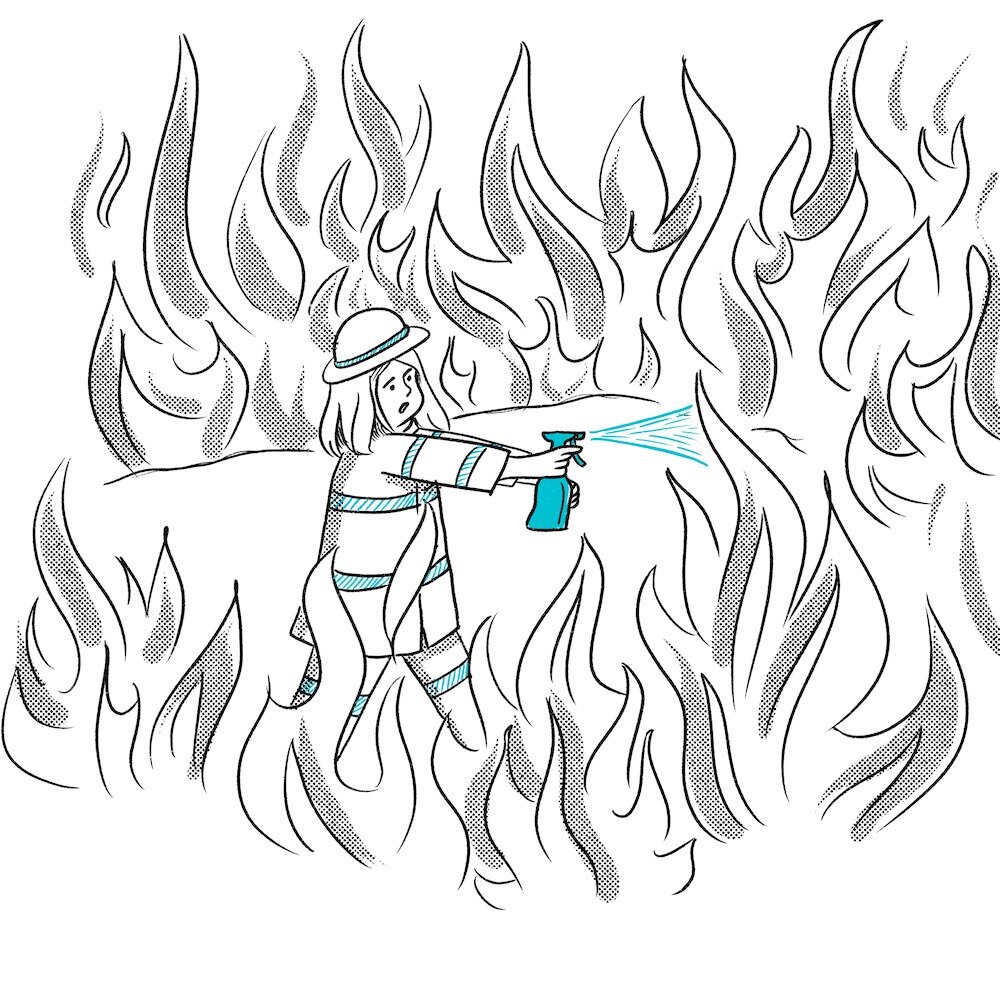
How to handle clients who keep setting fires you have to put out?
Clients have a tendency to think that you’ll make time to do their work. They have their urgencies which they will most certainly transfer to you. Some clients will be worth it. Some not. Grow an intuition to tell the difference.
-
What does a break mean to you?
I’d spent so many years being high-energy that I’d muddied up what normal was. That day was a welcome break from my own self.
-
Resume structure for a college dropout.
How would you structure a resume for someone who has around a year or two work experience, but have dropped out of college?
-
Salaried, not full-time.
I often hear the word ‘full-timer’ as the opposite of ‘freelancer’. Don’t freelancers work full-time? I even know freelancers who work only for one client 8 hours a day — they just don’t get PF, gratuity etc.
-
How to renegotiate freelancer rates?
Yesterday, I wrote about when to renegotiate freelancer rates. I hear a lot of you thinking, “all that’s fine, but how do I do it?”
-
When to renegotiate freelancer rates?
Salaried folks get hikes year on year. But not freelancers. No ‘appraisal’ often means no hikes. Shouldn’t be, no? So, renegotiate!
-
Set up structures to stay in control of your freelance business.
Tools and processes I personally use to stay on top of my businesses at all times — Calendar, Flow, Stickie notes and a daily planner.
-
Should I quit in the middle of a pandemic?
I don’t like the job and have realized I’m not a good fit. How do I transition to another industry? I don’t want to quit my current job.
-
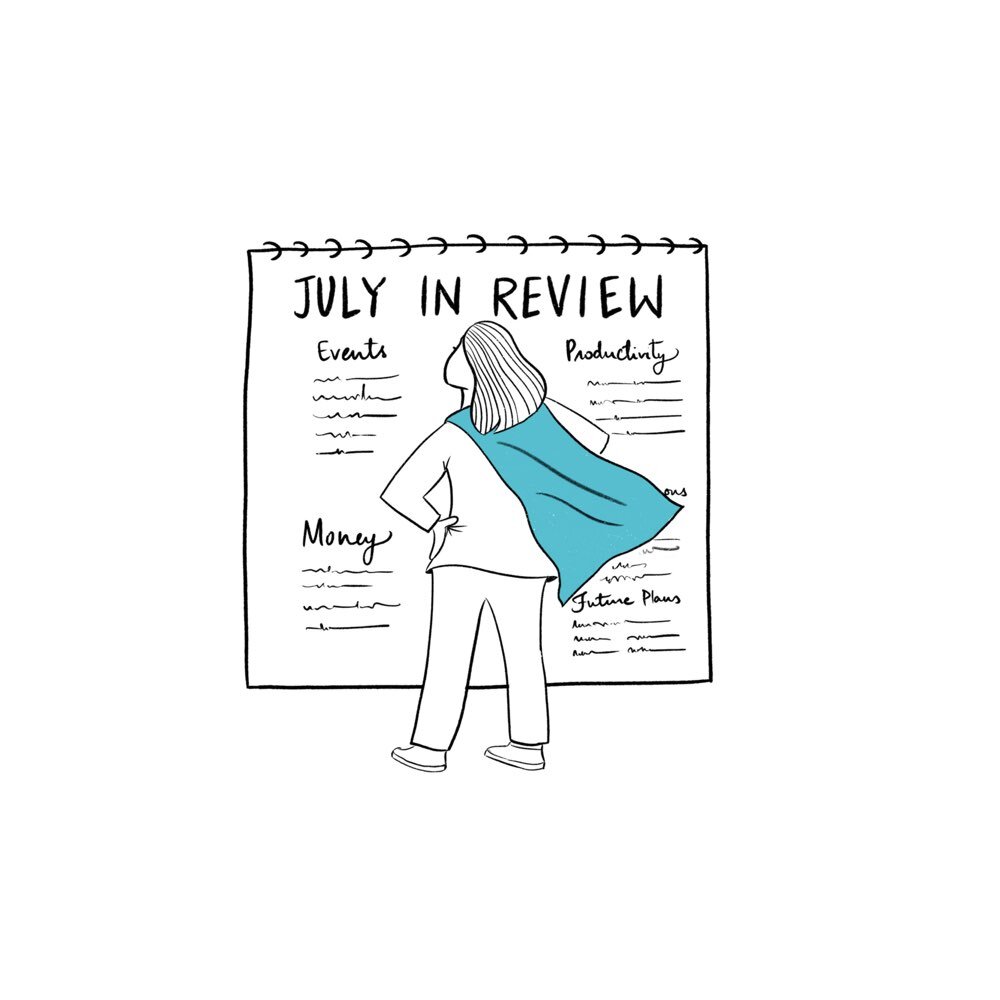
Do you have a monthly self-appraisal process?
Am I productive? Am I profitable? Am I successful? I needed a system to check for myself regularly if I’m doing well. This review template is what I devised over the last few years to facilitate self-appraisal.
-
Playing TV for comforting company. (I mean don’t.)
When I feel anxious and restless, I tell myself that a fun film I’ve watched before is good company. More often than not, it’s just pleasurable distraction.
-
Do what’s right for the customer.
There is this widely believed notion that clients know what they need. A company with a grand idea and (allegedly) stellar product should naturally know what they need when they seek a content writer, right? Wrong.
-
My need for precision. Or why I hate placeholder words.
Fundamentally, these words disturb my obsessive need for precision. My writerly goal is precision. Nothing bothers me more than being misconstrued.
-
Cross-pollinate ideas.
As writers, the world around us is inspiration. Every little thing — even if ah-mayzingly irritating — is good fodder for something else in the future. Keeping an eye out is the first step to finding inspiration.
-

What is the best way to show a maternity break on one’s CV?
I’m just emerging from a maternity break and starting to look for projects again but don’t want to scare people off with an unexplained yearlong gap. I’d really appreciate any suggestions you may have.
-

The one thing about writing that trips me up: Tenses
In your profession, have you spent years getting good at something, but always trip over that one little mole?
-

Are meetings real work?
Today alone, I have six scheduled meetings as well as a couple of calls I need to return that I haven’t put on the calendar. Now, you’d understand why I’m asking the question, “are meetings real work?”
-
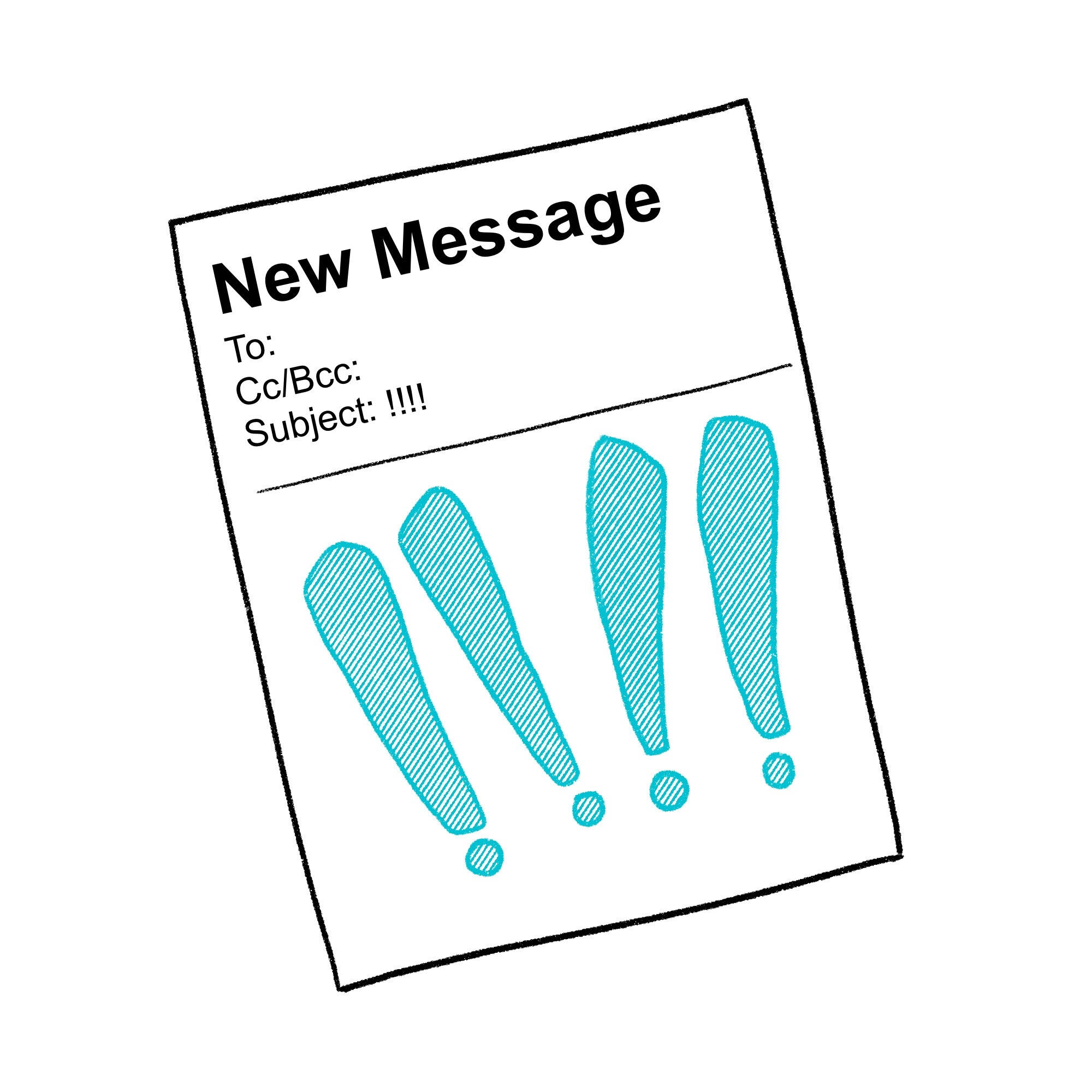
Exclamation marks — how many is too many in an email?
A friend of mine wrote to me recently saying that her husband was called out by a colleague in another country for using “too many exclamation marks”. What is the etiquette on this, she asked.
-
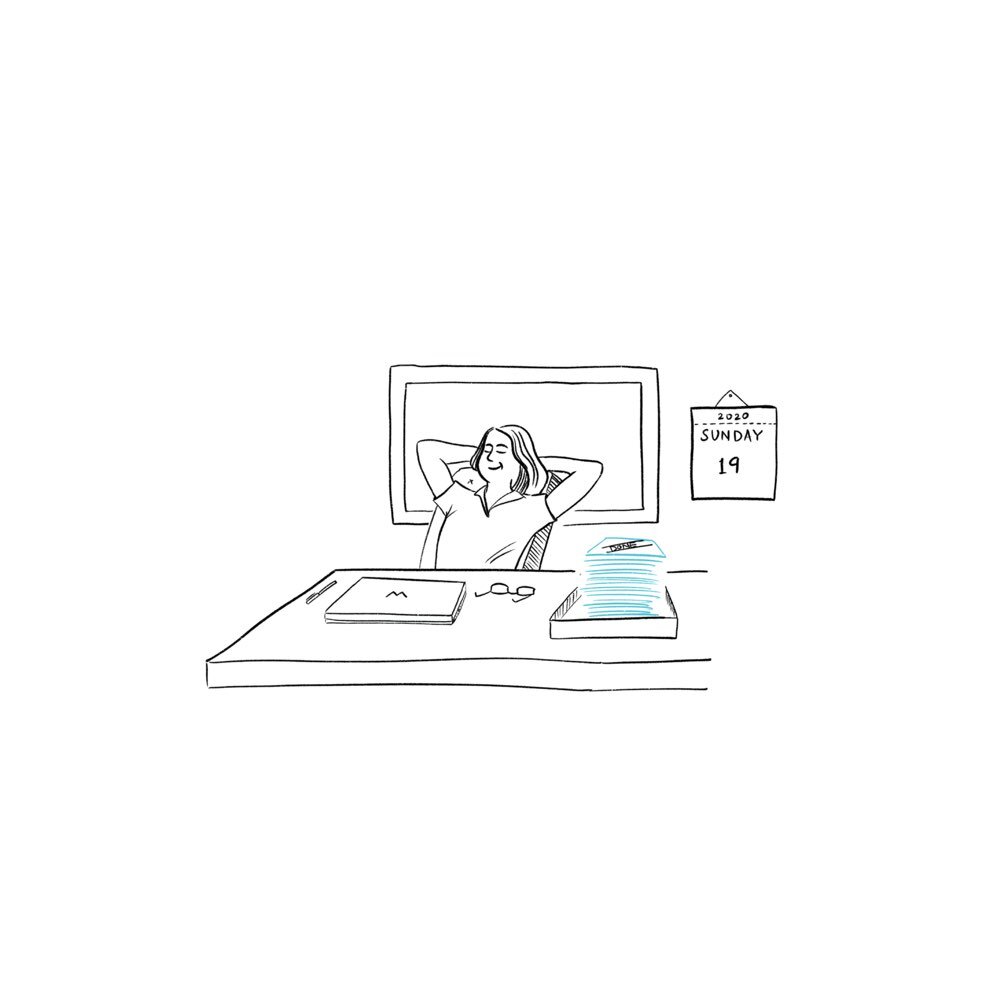
How do you write everyday?
I don’t write everyday. I only publish everyday. I write 7 blog posts on Sunday and schedule them to be published until the next Sunday and so on.
-
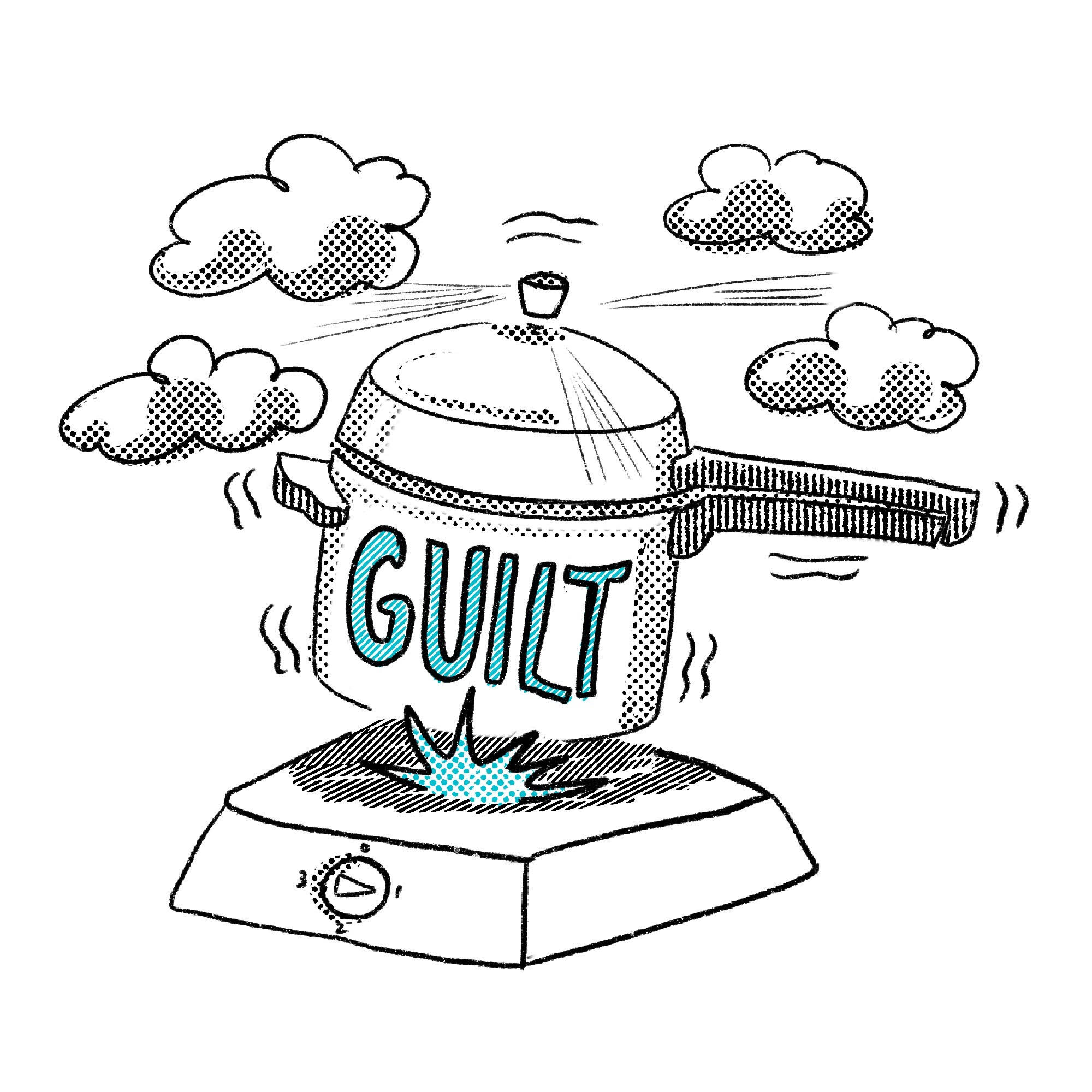
I have been working 14 hours everyday since Covid out of pressure and guilt. How to come out of this game?
From what I’m hearing, this is becoming scarily common. At the outset, let me tell you that this is unfair and exploitative.
-
You cannot run a business without having difficult conversations.
Last week, I was whining to my husband about how I don’t want to work with a client because of clash of values, but don’t want to talk to them because they’ll further persuade me. And he went, “you cannot run a business without having difficult conversations.”
-
Start with the end in mind.
Freelancing, by its nature, is work by ‘individual contributors’. So it helps immensely to learn to see the big picture before you put pen to paper.
-

Be visible.
Have you ever received a message from someone that said, “do you know anyone who does [insert specific thing]?” Let’s say a film reviewer, for instance. Who would you refer?
-
How many decisions can you make in a day?
On a regular basis, you are making hundreds of little decisions each day and it can be exhausting. Decision fatigue is a real thing.
-
Close the damn loop.
It is only through proactive and considerate communication that you can build community, which is fundamental to growing your business.
-
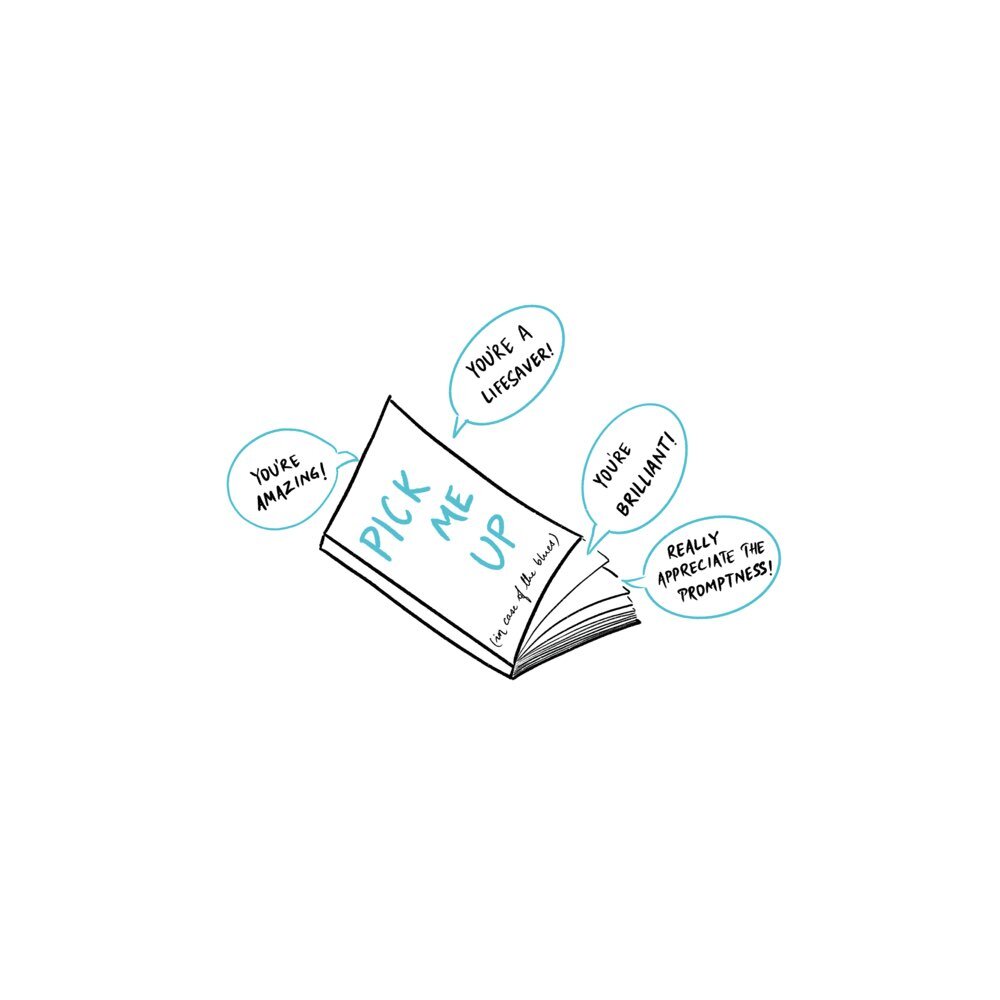
Keep a compliments book.
Someone I respect once said, “that’s disingenuous”. He didn’t call *me* disingenuous, just the argument I was making. While it hurt me in the moment, on second-thought, he was right.
-

My only friendly colleague is leaving. What do I do now?
-

Find people to talk to.
Freelancing is lonely business. It is very easy to muck your head up overthinking. You’re probably already doing it.
-
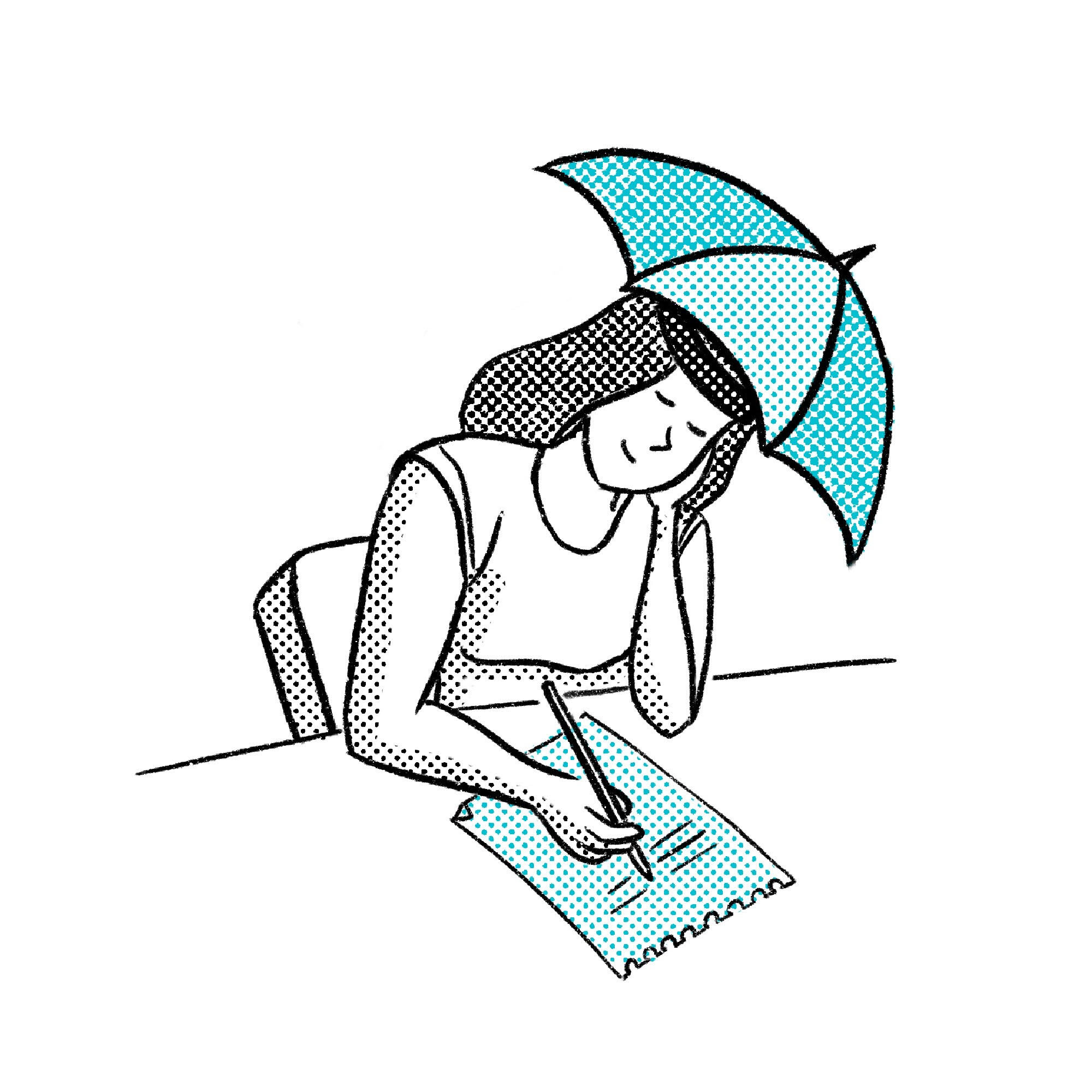
Have a rainy day task list.
A rainy day task list is basically work that will keep you busy, while there is no one pushing you to do it.
-
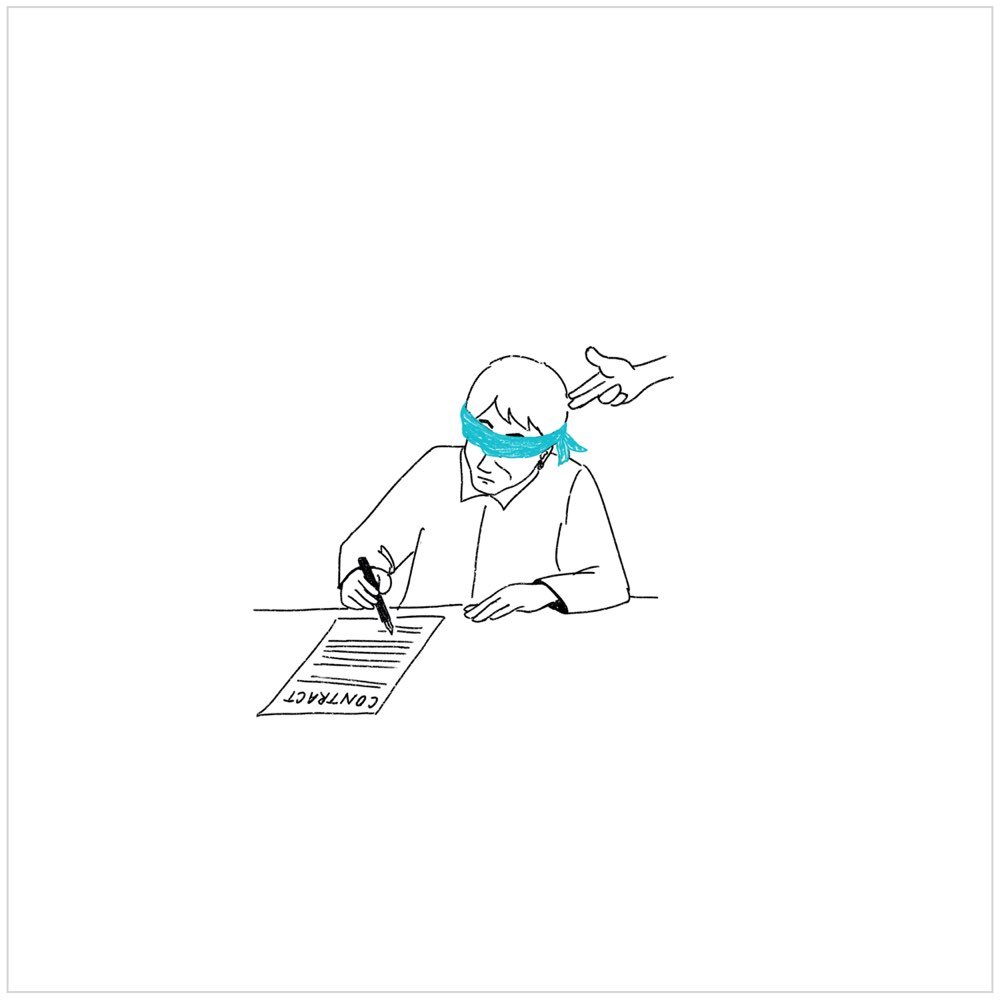
Don’t sign contracts you don’t agree to.
Most importantly, make the contract equal.
-
Last step in a project isn’t payment. It’s testimonial.
When you ask for a testimonial, clients are forced to articulate their feelings about your work, which they might not have considered so far. You want that.
-
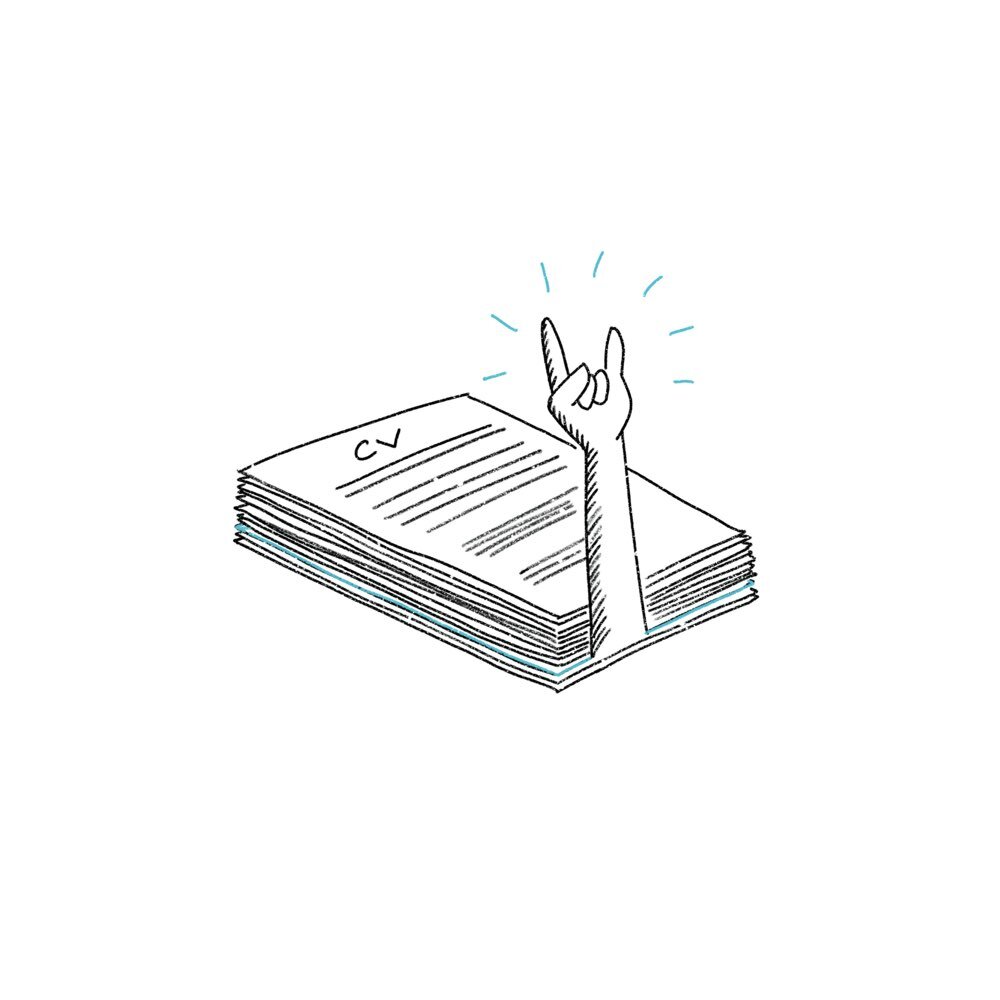
How to make a resume that stands out: A handbook.
What to include, how to write, what style to follow, what format to send in, everything you wanted to know about how to make a resume: Right here!
-

If you’re a writer, read.
A writer who says, “I don’t have time to read” isn’t investing enough on their craft.
-

Be multiskilled.
I’m not ashamed to admit that I’m mediocre at many things.
-
Learn to talk about yourself. Clearly and confidently.
If “hey, what do you do?” stumps you, you’re in the wrong business.
-
Not deciding is often the same as deciding not to.
There is not ‘right’ or ‘wrong’ decision. Just decisions and consequences.
-

Why I don’t do free trials anymore.
Those who ask for free trials are generally those who don’t care. They don’t want to bear any risk. They don’t want to invest in a relationship. They are not willing to participate as equal partners to make this project work.
-

Write a good email subject line.
In essence, use the subject line like an executive summary of the email.
-

End your emails with a question.
Saying “let me know your feedback” often elicits a nod. But asking “Does this work?” or “What do you think?” makes them think about it and commit to a response.
-
How many hours does it take to write 8 pages of website copy?
Well, it goes without saying that if you can avoid it, don’t charge by the hour. But the larger point I’m making here is: It takes so much longer to do something than you think it does.
-

Invest in backup
Identify everything you ‘need’ to continue your freelance career undisturbed, and invest in backup for them all.
-

Prioritise for your needs
When your list feels out of control and too many things scream for your attention, put them aside. And think about what you want. That’s your priority.
-
Nothing is truly urgent
If a customer tells you they needed something yesterday, laugh. Because it’s a joke. Everyone knows that you can’t get things done in the past.
-
Why, oh why?
Of all the questions I’ve asked or answered, ‘why’ is the one I like most. There is nothing that clarifies things for me more than the ‘why’ question.
-
Give feedback
At the workplace, giving feedback isn’t treated as much as a skill as receiving it. And this can be such a hindrance to good collaboration.
-
On second thought
Have you ever made a decision under some kind of pressure and later realised you don’t want to do what you agreed to?
-
“Place the emphatic word in a sentence at the end, period.”
Shakespeare didn’t write in “Macbeth,” “The Queen is dead, my Lord.” He wrote, “The Queen, my lord, is dead.”
-

Exit plan
So, to end the work engagement without ruining the relationship with the client, and the one who referred you to the client, is a skill you absolutely need.
-
Fear of judgment
Many many years ago, I pitched to an editor, who was also a Twitter celebrity. I sent him an email and spent the entire day on his Twitter page worrying. My fear: That he will screenshot my email and out me as the stupidest person in the whole world.
-
Joy of abandoned projects
If you’ve started a million things and not completed all of them, don’t beat yourself up over it.
-

Empty words
“This government sucks,” someone said with an exasperated sigh. May be, but what do you mean?
-
Self-deprecation as defence mechanism
If we don’t believe in yourself, no one else has any reason to.
-

Organised file naming
Would you believe me if I told you that a senior leader once sent me a document with the name ‘untitled’?
-
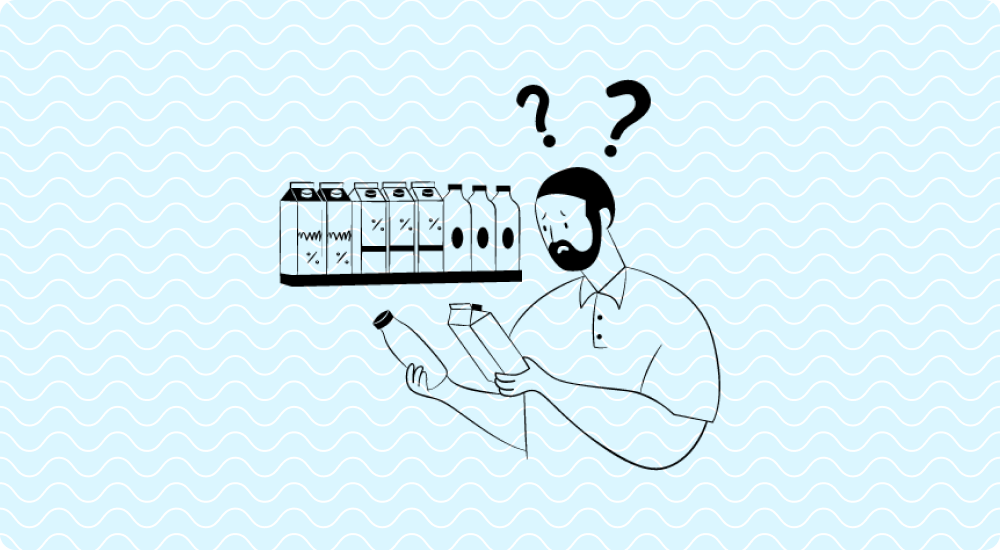
Learn actively
Everything is learning, right?
-
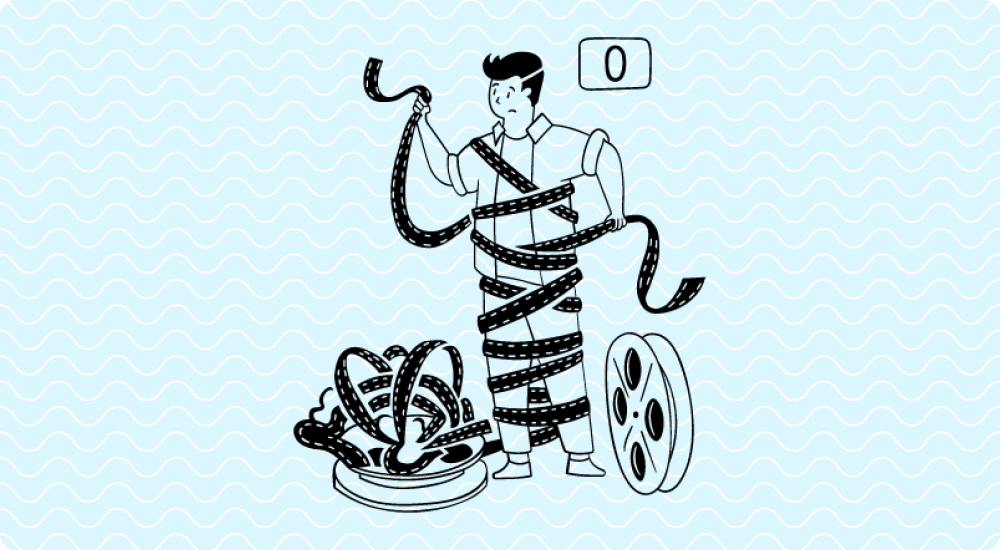
Feedback or validation?
Have you ever called a friend to ask for feedback on something and got so much negativity in return that left you angry?
-
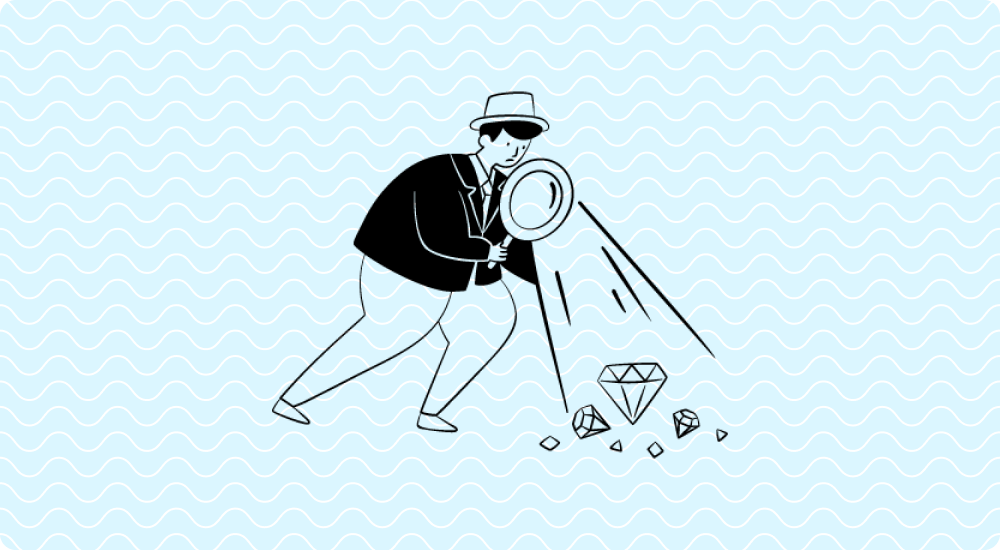
Wasteful learning
If you spend an entire day trying to figure out how to change the default colour of your website font, is it time well spent or not?
-

Should you go freelance?
If you are considering freelancing, here’s one question I’d like you to ask yourself: Are you ready to run an entire business all by yourself?
-
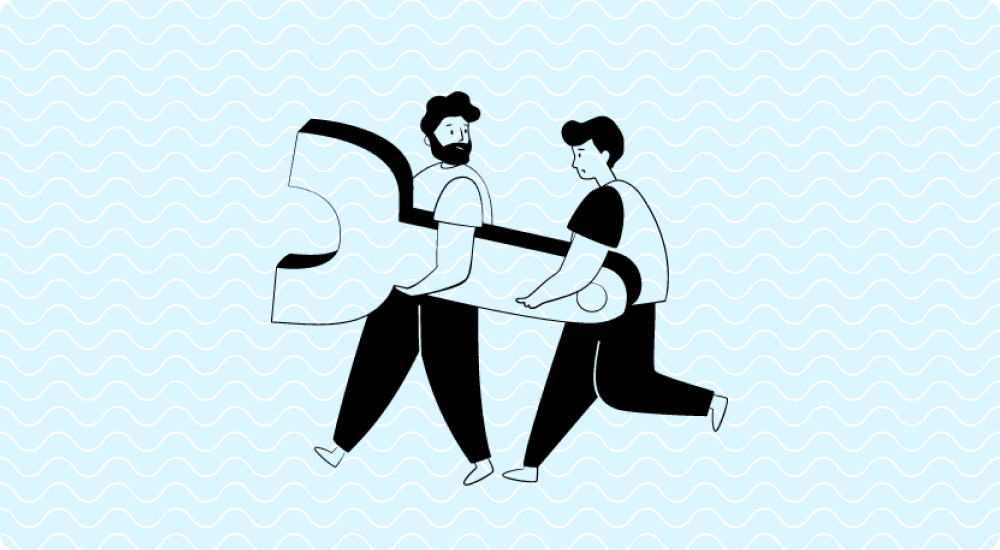
Choose tools wisely
If you’re going to ideate on a spreadsheet, you will think in rows and columns. So, choose your tools wisely.
-
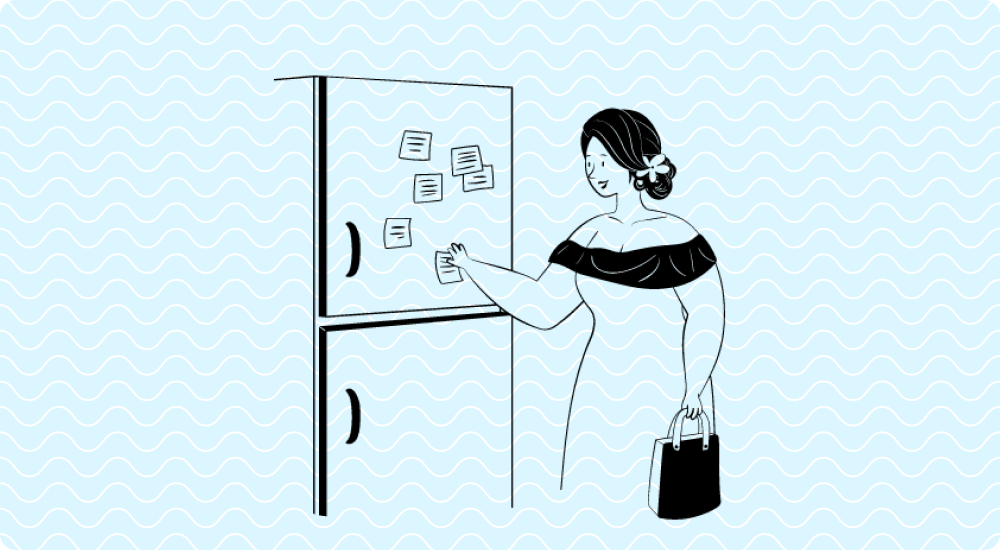
Stickie note trick
When you’re writing about a ‘topic’, the possibilities are endless — and that’s precisely the problem.
-
Writing in first person
Contrary to what people typically assume, I think writing in first person lends a certain humility to the work I do.